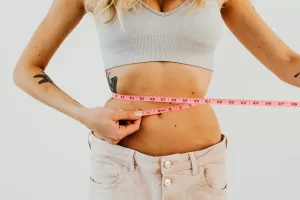
Menopause is not a disease, it is a natural moment in a woman’s life characterized by the cessation of menstruation, which initiates a stage of life known as climacteric.
Does taking probiotics help to improve menopausal symptoms? What probiotics are the best?
Within this climacteric stage there are 3 sub-stages:
Peri-menopause: Stage prior to the cessation of menstruation.
Menopause: Definitive cessation of menstruation.
Postmenopause: Alterations due to hormonal deficit.
It occurs because the woman begins to progressively lose its ovarian function so there is a decrease in the production of female hormones, estrogens and progesterone.
Due to the hormonal disorders that occur during this stage, and especially to the decrease in circulating estrogens, the woman will experience both physical and psychological alterations that affect the physical rhythm of the woman, among them:
- Prolongation of the period between menses.
- Vasomotor symptoms, hot flashes, sweating, nocturnal awakenings.
- Insomnia
- Dry skin and mucous membranes
- Change in body fat distribution (as estrogens regulate fat deposits).
- Irritable bowel syndrome associated with constipation.
- Menopause is the cause of a deterioration of metabolic profile (due to poor nutrition and slowed metabolic pathways) which increases the predisposition to metabolic syndrome (a set of physiological, metabolic, biochemical and clinical alterations that increase the risk of CVD, diabetes mellitus).
Increase in the rate of bone mass loss: less absorption of nutrients from food and/or supplements, including some essential nutrients at this stage such as iron, vitamin D3, calcium, which will increase the tendency to osteoporosis.
Increased incidence of urinary tract and vulvovaginal infections (bacterial vaginosis and vulvovaginal candidiasis).
Because the decrease in estrogen produces a change in the urogenital epithelium and in the vaginal microbiota, resulting in a decrease in the population of lactobacillus that are responsible for maintaining the acid pH in the vagina, which acts as a protector against the colonization of urogenital pathogenic microorganisms.
Emotional changes, depression, anxiety, fatigue or loss of attention span. Since estrogens increase serotonin in the brain, acting as physiological antidepressants.
Atrophy of the vaginal epithelium: it will lead to a higher incidence of vulvovaginal infections (candidiasis and bacterial vaginosis).
Scientific literature describes the close relationship of the vaginal microbiota with vulvovaginal atrophy.
Alteration of the intestinal microbiota and consequently alteration of the rest of the body’s microbiome including the vaginal microbiota.
What treatments are available for menopausal symptoms?
Currently, allopathic medicine only offers treatments aimed at alleviating the symptoms that estrogen deficiency produces:
- Hormone replacement therapy (HRT), which replaces the estrogens and progesterone that the body stops producing, which relieves symptoms but may have certain risks such as increased heart disease, increased risk of breast cancer, endometrial hyperplasia, venous thrombo embolism, and venous thromboembolism.
- Topical estrogens: relieve vaginal symptoms of dryness and atrophy of the epithelium.
- Calcium and vitamin D supplements: delay the loss of bone density.
There is a need for holistic, alternative and more natural treatments with less risk, such as:
- Homeopathy
- Acupuncture
- The administration of phytoestrogens are substances of natural origin that have estrogenic hormonal activity, including soy isoflavones and lignans. These can be obtained from food (legumes, whole grains, berries and nuts) or with supplementation.
It would be especially advisable to take foods that contain more active aglycones (active forms of isoflavones) such as sesame, kudzu and fermented soy products (soy sauce and miso). Also, probiotic drinks like colondrink. You can not find this product in walmart or kroger, but you can find it in our website.
Butyric acid, a short-chain fatty acid manufactured in the colon after eating soluble fiber, regulates the integrity of the intestinal mucosa and therefore helps to have an adequate intestinal permeability.
Does taking probiotics help to improve menopausal symptoms?
To better understand the benefits of probiotic administration, we must know that the intestinal microbiota is closely related to the rest of the body’s microbiota such as the vaginal, urogenital, epithelial, stroboloma, etc. microbiota.
In addition, the profile of the intestinal microbiota is decisive since the intestinal bacteria and the enzymes produced by them are essential for the hydrolysis of the conjugated isoflavones into aglycones and their metabolites, transforming them into more bioavailable active forms capable of exerting the estrogenic effect.
This is why different studies have shown that supplementation of isoflavones together with probiotics increases the health benefits.
There are numerous scientific evidences which corroborate the interrelation between microbiota and circulating estrogens, on the one hand the intestinal microbiota is regulated by estrogen levels and in turn the intestinal microbiota regulates the homeostasis of circulating estrogens through the estrobolome.
The strobolome are all bacterial genes (microbiome) capable of manufacturing enzymes that can deconjugate conjugated estrogens favoring their reabsorption into the enterohepatic circulation and therefore regulate the homeostasis of circulating estrogen levels at the systemic level.
When this process is affected by dysbiosis of the intestinal microbiota, characterized by reduced microbial diversity, decreased deconjugation results in a reduction of circulating estrogens.
There are numerous scientific evidences showing that the regulation and balance of the intestinal microbiota through the administration of adequate probiotic microorganisms during menopause brings many benefits and helps to:
1. treat and decrease the incidence of urinary and vulvovaginal infections:
Probiotics positively affect the composition of the vaginal microbiota by promoting the proliferation of beneficial microorganisms, including lactobacilli, which act as a protective barrier, thus helping to prevent vaginal infections in the postmenopausal period.
In addition, by improving the microbiota we will be improving the immune system that protects us from infections.
2. Decrease and slow osteoporosis: the intestinal microbiota helps us to absorb calcium from food and/or external supplementation and numerous studies show that a balanced microbiota slows bone resorption and loss associated with estrogen deficiency.
3. Decrease vasomotor symptoms (sweating, hot flashes).
The intestinal microbiota helps the metabolism of phytoestrogens (compounds of plant origin with estrogenic activity due to their structural similarity to human estrogens) by transforming them into their active forms through enzymes present in certain bacteria with β-glucosidase capacity, thus helping to better exert their estrogenic activity and control vasomotor symptoms, without oncological risk.
There are great differences in the effects of phytoestrogens between individuals since the activity of phytoestrogens depends on the microbiome.
4. Improve emotional state, decrease anxiety and depression.
Due to the microbiota-intestine-brain axis, which regulates the synthesis of neurotransmitters responsible for the proper functioning of the brain, including serotonin and GABA.
5. Improve cognitive processes of memory and learning
6. Improve metabolic syndrome: decrease lipid profile and increase satiety, decrease weight, decrease postprandial glucose, decrease insulin.
Do you still doubt if taking probiotics helps to improve menopausal symptoms? Don’t miss a chance to try our colon drink. This product is unique. It is not like yakult from Walmart or Costco. Colon drink one of the most potent probiotics on the market, thanks to its 900 trillion CFU’s (colony-forming units). That means it is highly effective in restoring balance to the gut microbiota. Unlike other probiotics on the market. Colon drink can do this safely without any causing stomach problems.
Other tips that can help are at this stage are:
1. Take supplements of medicinal plants that help the symptoms such as: Cimicifuga racemosa (estrogenic properties), soy isoflavones (estrogenic action), Valerian (for symptoms of anxiety and sleep disorders), Hypericum (symptoms of depression), green tea and artichoke to reduce fluid retention and sage (relieves hot flashes and night sweats).
2. Diet rich in calcium and foods rich in vitamin D3, such as avocado, mushrooms, blue fish, wheat germ.
3. Eat a diet rich in vegetables and fruits as this contributes to have more bacterial diversity in the intestine and therefore will improve our health.
4. To limit the consumption of coffee, colas, alcohol, fat and carbohydrates.
5. Sunbathe for 15 minutes a day: it helps to assimilate the calcium ingested in the diet.
6. Moderate physical exercise, physical inactivity reduces the formation of bone mass.
7. Eliminate smoking: since, among many other negative effects, it contributes to the loss of bone mass.
8.Taking probiotics helps to improve menopausal symptoms. Try our Colondrink.